
Cycle Time Reduction: How to Ship Code Faster Without Sacrificing Quality
Learn proven strategies to reduce development cycle time while maintaining code quality. Optimize your team's delivery speed with actionable insights.

Jay Derinbogaz
Founder
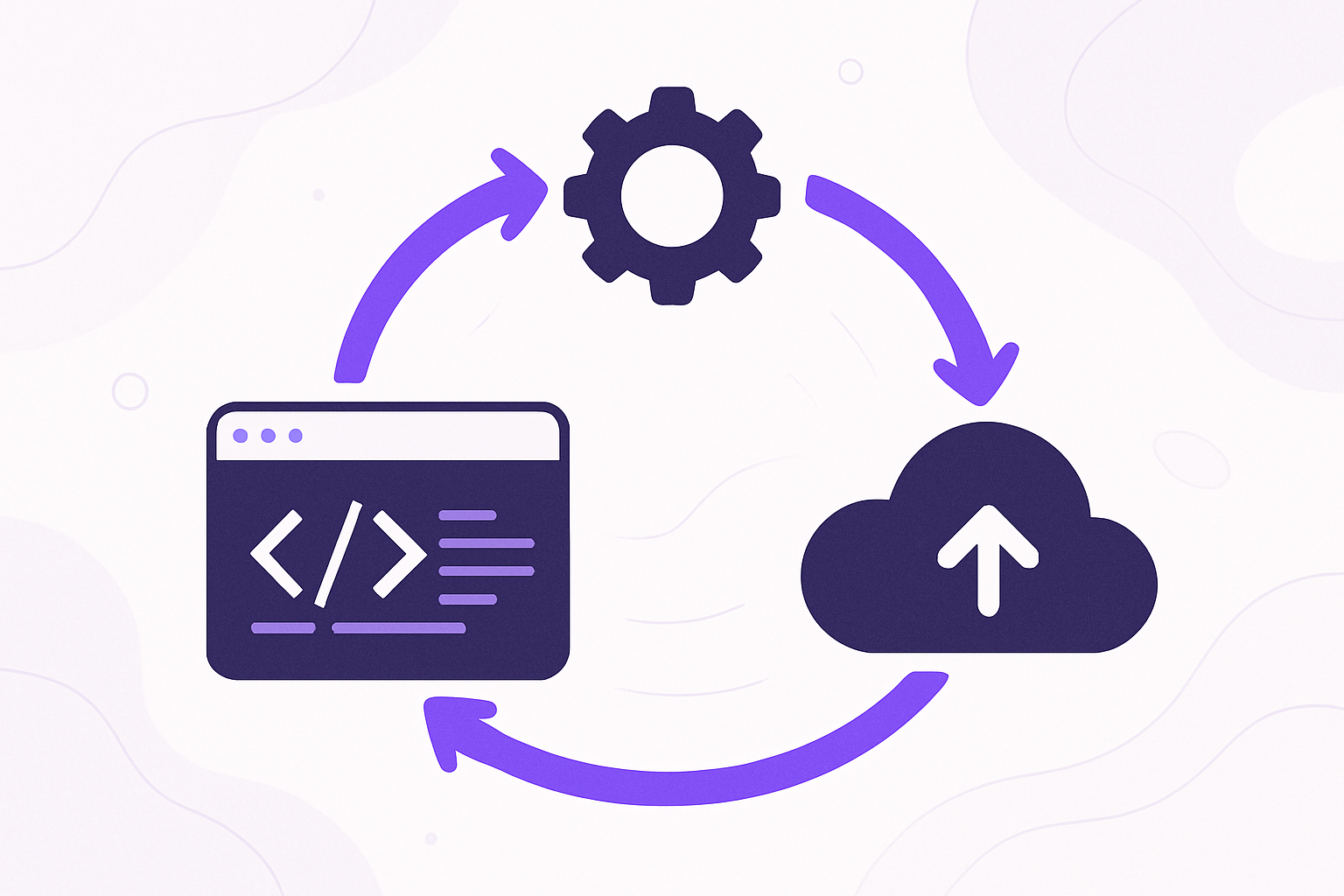
In today's fast-paced development environment, engineering teams face constant pressure to deliver features quickly while maintaining high code quality. The challenge isn't just about moving fast—it's about moving fast sustainably. Cycle time reduction is the art and science of optimizing your development process to ship code faster without cutting corners on quality.
What is Cycle Time and Why Does It Matter?
Cycle time measures the duration from when a developer starts working on a feature to when it's deployed to production. Unlike lead time (which includes planning and backlog time), cycle time focuses on the active development phase.
Reducing cycle time directly impacts:
- Developer satisfaction: Faster feedback loops keep momentum high
- Time to market: Features reach users sooner
- Risk reduction: Smaller, frequent releases are easier to debug
- Competitive advantage: Rapid iteration beats slow perfection
The Quality vs. Speed Dilemma
Many teams fall into the trap of thinking they must choose between speed and quality. This false dichotomy leads to:
- Technical debt accumulation when rushing features
- Over-engineering when prioritizing quality above all else
- Analysis paralysis from fear of making mistakes
The reality? The fastest teams often have the highest quality standards. They achieve this through systematic process optimization, not by cutting corners.
Identifying Your Cycle Time Bottlenecks
Before optimizing, you need to measure. Track these key metrics:
Development Phase Metrics
- Coding time per feature/story point
- Time in review (from PR creation to approval)
- Rework cycles (how often code bounces back)
- Merge conflicts frequency
Pipeline Metrics
- Build duration
- Test execution time
- Deployment frequency
- Failed deployment rate
Proven Strategies for Cycle Time Reduction
1. Optimize Your Code Review Process
Code reviews often represent the biggest bottleneck in development cycles. Here's how to streamline them:
Set Clear Review Standards
- Define what requires review vs. what can be auto-merged
- Establish response time expectations (e.g., 4-hour SLA)
- Create review checklists for consistency
Implement Smart Review Assignment
- Use CODEOWNERS files for automatic reviewer assignment
- Rotate reviewers to prevent knowledge silos
- Consider pair programming for complex features
Encourage Smaller Pull Requests
- Aim for PRs under 400 lines of code
- Break large features into smaller, reviewable chunks
- Use feature flags to decouple deployment from release
2. Automate Everything You Can
Continuous Integration Optimization
# Example: Parallel test execution
steps:
  - name: Unit Tests
    run: npm run test:unit
    parallel: true
  - name: Integration Tests
    run: npm run test:integration
    parallel: true
  - name: E2E Tests
    run: npm run test:e2e
    if: github.event_name == 'pull_request'
Smart Testing Strategies
- Run fast unit tests first, slower tests later
- Use test impact analysis to run only affected tests
- Implement flaky test detection and quarantine
- Cache dependencies and build artifacts
Automated Quality Gates
- Code coverage thresholds
- Security vulnerability scanning
- Performance regression detection
- Style guide enforcement with linters
3. Improve Development Practices
Trunk-Based Development
- Keep feature branches short-lived (< 2 days)
- Integrate frequently to reduce merge conflicts
- Use feature flags for incomplete features
Test-Driven Development (TDD)
- Write tests first to clarify requirements
- Catch bugs early when they're cheaper to fix
- Improve code design through testability
Documentation as Code
- Keep docs close to code for easy updates
- Use ADRs (Architecture Decision Records) for context
- Automate documentation generation where possible
4. Leverage AI and Smart Tools
Modern development benefits from AI assistance:
- Code completion tools like GitHub Copilot
- Automated code review suggestions
- Intelligent test generation
- Bug prediction based on code patterns
Measuring Success: Key Performance Indicators
Track these metrics to validate your cycle time improvements:
| Metric | Target | Measurement |
|---|---|---|
| Mean Time to Review | < 4 hours | PR creation to first review |
| Deployment Frequency | Daily | Successful production deployments |
| Change Failure Rate | < 5% | Failed deployments / total deployments |
| Mean Time to Recovery | < 1 hour | Time to fix production issues |
Leading vs. Lagging Indicators
Leading Indicators (predict future performance):
- PR size trends
- Review response times
- Test coverage changes
- Build success rates
Lagging Indicators (measure outcomes):
- Overall cycle time
- Customer satisfaction
- Bug escape rate
- Developer velocity
Common Pitfalls and How to Avoid Them
1. Optimizing the Wrong Metrics
Problem: Focusing on individual productivity over team outcomes Solution: Measure flow efficiency and team-level metrics
2. Ignoring Technical Debt
Problem: Short-term speed gains that slow down future development Solution: Allocate 20% of sprint capacity to technical debt reduction
3. Over-Automating Too Quickly
Problem: Complex automation that's hard to maintain Solution: Start simple, automate incrementally based on pain points
4. Neglecting Team Culture
Problem: Process changes without team buy-in Solution: Involve the team in identifying and solving bottlenecks
Building a Culture of Continuous Improvement
Successful cycle time reduction requires more than process changes—it needs cultural transformation:
Regular Retrospectives
- Weekly team retrospectives focused on process improvements
- Monthly metrics reviews with stakeholders
- Quarterly goal setting for cycle time targets
Psychological Safety
- Encourage experimentation and learning from failures
- Celebrate process improvements, not just feature delivery
- Share learnings across teams
Knowledge Sharing
- Regular tech talks on optimization techniques
- Cross-team collaboration on common challenges
- Documentation of lessons learned
Advanced Techniques for High-Performing Teams
Once you've mastered the basics, consider these advanced strategies:
Canary Deployments and Progressive Delivery
- Deploy to small user segments first
- Monitor metrics and gradually increase exposure
- Automatic rollback on performance degradation
Chaos Engineering
- Proactively test system resilience
- Identify failure modes before they impact users
- Build confidence in rapid deployment practices
Value Stream Mapping
- Visualize the entire development flow
- Identify waste and optimization opportunities
- Align team efforts with business outcomes
Conclusion
Reducing cycle time without sacrificing quality isn't about working harder—it's about working smarter. By focusing on process optimization, automation, and team culture, you can achieve the holy grail of software development: shipping great code fast.
The key is to start small, measure everything, and iterate continuously. Remember that the fastest teams aren't necessarily the ones with the most advanced tools—they're the ones that have optimized their entire development flow from idea to production.
Start by measuring your current cycle time, identify your biggest bottleneck, and tackle it systematically. Your future self (and your users) will thank you for the investment in sustainable development practices.
Want to dive deeper into development metrics? Check out our related posts on Engineering Analytics and Code Review Best Practices.
Ready to improve your engineering metrics?
Start measuring developer productivity with AI-powered PR analysis. Free for open source projects.
Try GitRank FreeRelated Posts

DORA Metrics Explained: A Complete Guide for Engineering Leaders
Master DORA metrics to transform your engineering team's performance. Learn deployment frequency, lead time, and failure recovery strategies.

Engineering Team Effectiveness: Metrics That Actually Matter
Discover the key metrics that truly measure engineering team effectiveness beyond vanity numbers. Learn actionable insights for better team performance.

The Problem with Story Points: Better Alternatives for Engineering Teams
Story points often create more confusion than clarity. Discover better alternatives for estimating work and measuring engineering productivity.