
Developer Burnout: Prevention Strategies for Engineering Managers
Learn proven strategies to prevent developer burnout in your team. Practical tips for engineering managers to maintain healthy, productive development teams.

Jay Derinbogaz
Founder
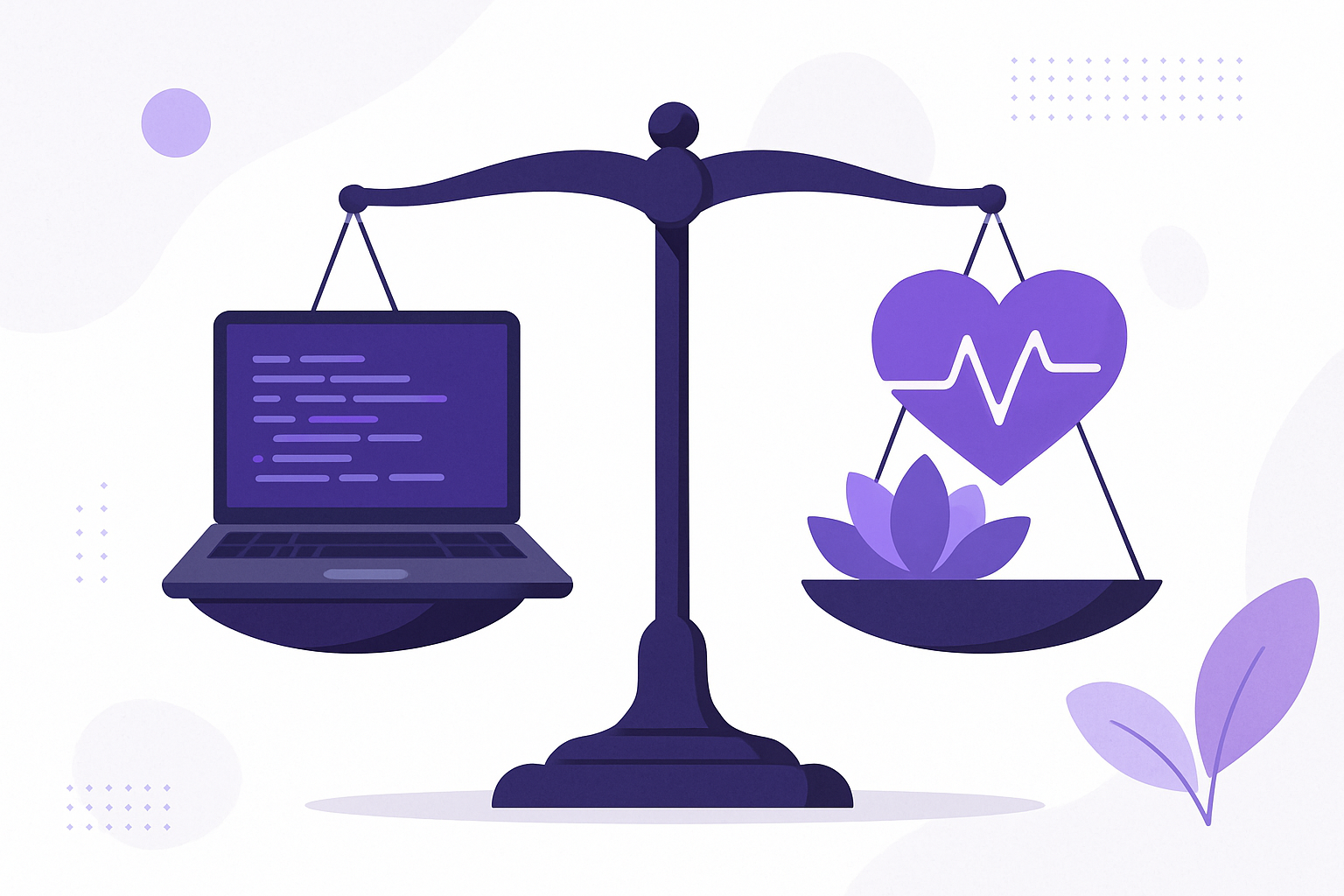
Developer burnout has become one of the most pressing challenges facing engineering teams today. With 83% of developers reporting burnout symptoms according to recent studies, it's clear that this isn't just an individual problem—it's a systemic issue that requires thoughtful management strategies.
As an engineering manager, you're uniquely positioned to create an environment that either fuels burnout or actively prevents it. The good news? With the right approach, you can build resilient teams that maintain high performance without sacrificing well-being.
Understanding Developer Burnout
Burnout isn't just being tired after a long week. It's a state of physical, emotional, and mental exhaustion caused by prolonged exposure to emotionally demanding situations. For developers, this often manifests as:
- Emotional exhaustion: Feeling drained and overwhelmed by work demands
- Depersonalization: Becoming cynical about work and colleagues
- Reduced sense of accomplishment: Feeling ineffective despite working hard
Common Triggers in Engineering Teams
Before diving into prevention strategies, it's crucial to understand what typically causes burnout in development teams:
- Unrealistic deadlines and constant pressure
- Lack of autonomy in decision-making
- Poor work-life balance and excessive overtime
- Unclear requirements and constantly changing priorities
- Technical debt and working with legacy systems
- Lack of recognition and career growth opportunities
- Inadequate tooling and inefficient processes
Prevention Strategy 1: Foster Sustainable Work Practices
Set Realistic Expectations
One of the most effective ways to prevent burnout is establishing realistic expectations from the start. This means:
- Involve developers in estimation: Don't impose deadlines from above. Include your team in sprint planning and estimation processes.
- Build in buffer time: Account for unexpected issues, code reviews, and technical debt in your project timelines.
- Communicate constraints upward: Be transparent with stakeholders about what's achievable within given timeframes.
Implement Sustainable Development Practices
**The 40-Hour Sustainable Pace**

- Monitor actual working hours, not just scheduled hours
- Discourage after-hours coding except for genuine emergencies
- Model healthy boundaries by not sending emails outside work hours
- Implement "no-meeting" days or blocks for deep work
Manage Technical Debt Proactively
Technical debt is a major contributor to developer frustration. Create a systematic approach:
- Allocate 20% of sprint capacity to technical debt reduction
- Maintain a technical debt backlog with clear priorities
- Celebrate technical debt victories as much as feature releases
- Involve the team in identifying and prioritizing debt items
Prevention Strategy 2: Build Psychological Safety
Psychological safety—the belief that you can speak up without risk of punishment or humiliation—is fundamental to preventing burnout.
Create Safe Communication Channels
- Regular one-on-ones: Schedule consistent, private meetings focused on the individual, not just project updates
- Anonymous feedback mechanisms: Use surveys or suggestion boxes for sensitive topics
- Blameless post-mortems: Focus on system improvements rather than individual mistakes
Encourage Healthy Risk-Taking
- Support experimentation with new technologies and approaches
- Celebrate intelligent failures and learning opportunities
- Provide resources for professional development and skill building
Prevention Strategy 3: Optimize Team Processes and Tools
Streamline Development Workflows
Inefficient processes are a constant source of frustration. Focus on:
- Automated testing and deployment: Reduce manual, repetitive tasks that drain energy
- Clear code review guidelines: Establish constructive, timely review processes
- Effective meeting practices: Ensure meetings have clear agendas and outcomes
- Documentation standards: Maintain accessible, up-to-date documentation
Leverage Data-Driven Insights
Use metrics to identify potential burnout indicators before they become critical:
| Metric | Warning Signs | Action Items |
|---|---|---|
| Code review time | Consistently slow reviews | Review workload distribution |
| Commit frequency | Sudden drops or spikes | Check in with individual developers |
| Bug rates | Increasing defect rates | Assess pressure and code review quality |
| Meeting load | >50% of time in meetings | Audit meeting necessity and efficiency |
Prevention Strategy 4: Promote Work-Life Integration
Flexible Work Arrangements
- Remote work options: Trust your team to work effectively from anywhere
- Flexible hours: Accommodate different productivity patterns and personal needs
- Compressed work weeks: Consider 4-day weeks or other alternative schedules
Encourage Time Off
- Model vacation behavior: Take time off yourself and encourage others to do the same
- Implement minimum vacation policies: Some companies require employees to take a certain amount of time off
- Respect boundaries: Don't contact team members during their time off unless it's a genuine emergency
Prevention Strategy 5: Invest in Growth and Development
Career Pathing
- Individual development plans: Work with each team member to define their career goals
- Skill development opportunities: Provide time and resources for learning new technologies
- Internal mobility: Create opportunities for lateral moves and new challenges
Mentorship and Knowledge Sharing
- Pair experienced developers with junior team members
- Organize regular tech talks and knowledge-sharing sessions
- Encourage conference attendance and external community participation
Measuring and Monitoring Team Health
Regular Health Checks
Implement systematic approaches to monitor team well-being:
- Monthly team health surveys: Use tools like Google Forms or specialized platforms
- Burnout risk assessments: Look for early warning signs in behavior and performance
- Exit interview analysis: Learn from departing team members about improvement opportunities
Key Indicators to Track
- Team satisfaction scores
- Voluntary turnover rates
- Sick leave usage patterns
- Productivity metrics trends
- Code quality indicators
Creating Your Burnout Prevention Plan
Start Small, Think Big
You don't need to implement everything at once. Start with these high-impact, low-effort changes:
- Week 1: Implement regular one-on-ones with each team member
- Week 2: Audit current meeting schedules and eliminate unnecessary meetings
- Week 3: Establish clear work-hour boundaries and communication expectations
- Month 2: Implement anonymous feedback mechanisms
- Month 3: Begin tracking key team health metrics
Customize for Your Team
Every team is different. Consider factors like:
- Team size and structure
- Product complexity and technical challenges
- Company culture and constraints
- Individual team member preferences and needs
Conclusion
Preventing developer burnout isn't just about being a good manager—it's about building sustainable, high-performing teams that can deliver exceptional results while maintaining their well-being. The strategies outlined here require investment and commitment, but the returns—in terms of productivity, innovation, and team satisfaction—are substantial.
Remember, burnout prevention is an ongoing process, not a one-time fix. Stay vigilant, keep listening to your team, and be willing to adapt your approach as your team and organization evolve.
The most successful engineering managers are those who recognize that taking care of their people isn't separate from delivering great software—it's fundamental to it.
Want to learn more about building healthy engineering teams? Check out our related posts on Engineering Team Analytics and Building a Culture of Code Quality.
Ready to improve your engineering metrics?
Start measuring developer productivity with AI-powered PR analysis. Free for open source projects.
Try GitRank FreeRelated Posts
Developer Recognition Programs That Motivate Engineering Teams
Build a developer recognition program that celebrates real engineering impact, includes review and collaboration work, and avoids unhealthy leaderboard incentives.
Reviewer Load Balancing: Stop Burning Out Senior Engineers
Learn how to measure reviewer load, prevent review bottlenecks, and spread expertise without lowering the quality bar.

AI Coding Tools in 2026: Impact, Adoption, and Best Practices
Explore how AI coding tools are transforming software development in 2026. Learn adoption strategies, best practices, and real-world impact on team productivity.