
Building Psychological Safety in Engineering Teams: The Foundation of High-Performing Development Culture
Learn how to create psychological safety in engineering teams to boost innovation, reduce bugs, and improve developer satisfaction with actionable strategies.

Jay Derinbogaz
Founder
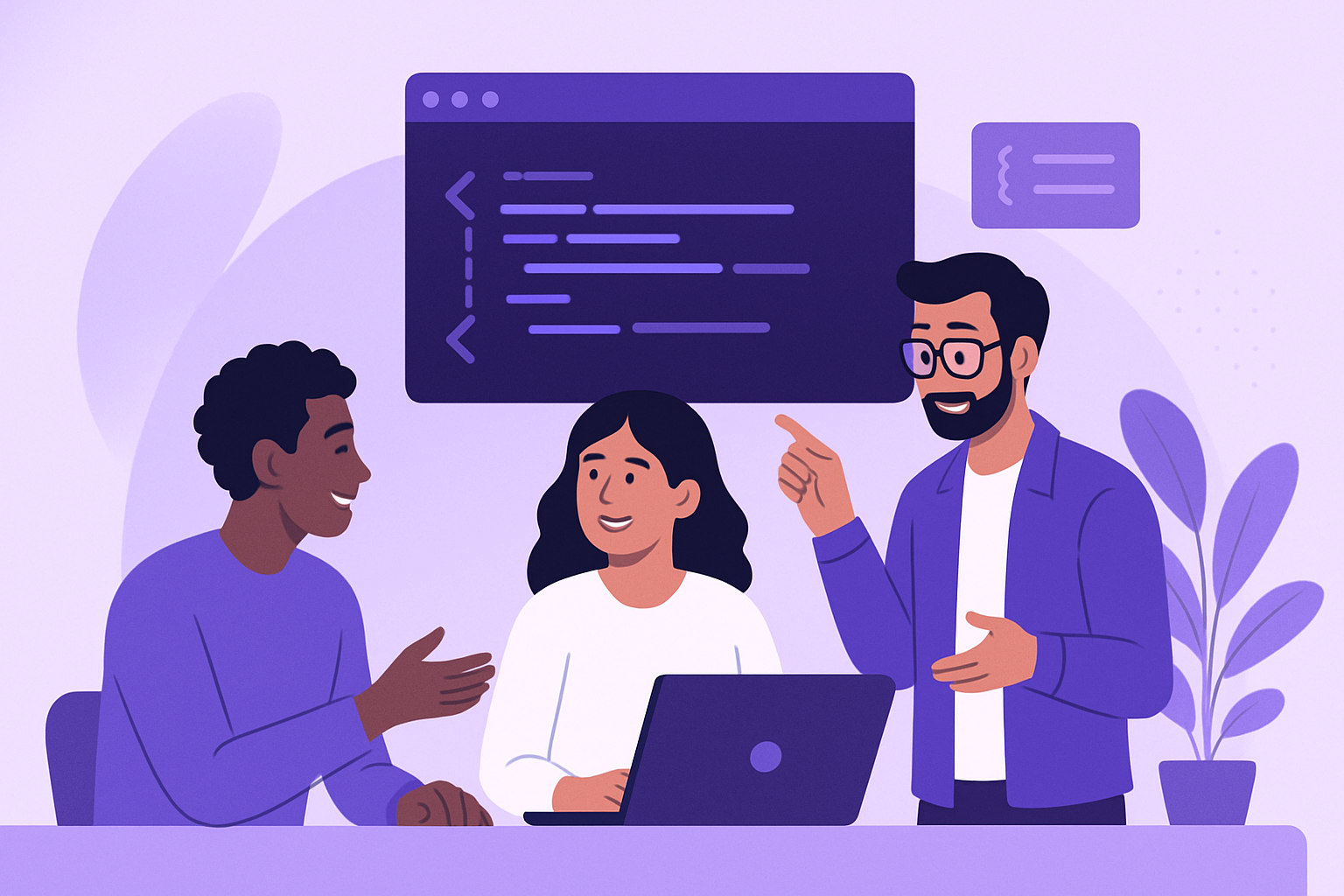
In the fast-paced world of software development, where bugs can cost millions and deadlines loom large, there's one factor that separates truly exceptional engineering teams from the rest: psychological safety. This isn't just HR buzzword—it's the secret sauce that enables teams to innovate fearlessly, catch critical issues early, and continuously improve their craft.
What Is Psychological Safety in Engineering?
Psychological safety, a concept pioneered by Harvard Business School professor Amy Edmondson, is the shared belief that team members can speak up, ask questions, admit mistakes, and propose ideas without fear of negative consequences to their self-image, status, or career.
In engineering contexts, this translates to developers feeling comfortable to:
- Report bugs they've introduced without fear of blame
- Ask clarifying questions about requirements, even "obvious" ones
- Propose alternative technical approaches
- Admit when they don't understand something
- Challenge decisions made by senior team members
- Share failures and lessons learned openly
Why Psychological Safety Matters for Engineering Teams
Faster Bug Detection and Resolution
When developers feel safe admitting mistakes, bugs get surfaced and fixed faster. In psychologically unsafe environments, engineers often spend time covering their tracks or hoping someone else will catch their errors. This leads to:
- Bugs making it to production
- Delayed incident response
- Finger-pointing during post-mortems
- Repeated mistakes due to lack of learning
Improved Code Quality Through Better Reviews
Psychological safety transforms code reviews from adversarial processes into collaborative learning opportunities. Team members can:
- Provide honest, constructive feedback
- Ask questions about unfamiliar patterns
- Suggest improvements without seeming critical
- Learn from each other's approaches
Accelerated Learning and Knowledge Sharing
Junior developers in psychologically safe environments progress faster because they're not afraid to reveal knowledge gaps. Senior developers also benefit by staying curious and open to new approaches.
The Cost of Psychological Unsafety
Let's look at what happens when psychological safety is absent:
| Impact Area | Consequences |
|---|---|
| Bug Handling | Hidden bugs, delayed fixes, blame culture |
| Innovation | Risk-averse solutions, missed opportunities |
| Knowledge Sharing | Information silos, repeated mistakes |
| Team Dynamics | High turnover, low morale, politics |
| Decision Making | Groupthink, lack of diverse perspectives |
Building Psychological Safety: A Practical Framework
1. Model Vulnerability as a Leader
As an engineering manager or tech lead, your behavior sets the tone. Start by:
Admitting your own mistakes publicly:
"I made an error in the architecture decision for the user service.
Here's what I learned and how we can fix it..."
Asking for help:
"I'm not familiar with this new React pattern. Can someone walk me through it?"
Showing curiosity instead of judgment:
"That's an interesting approach. Help me understand your thinking..."
2. Reframe Failures as Learning Opportunities
Transform how your team talks about mistakes:
Instead of: "Who broke the build?" Try: "What can we learn from this build failure?"
Instead of: "This code is wrong." Try: "I see a different approach here. Let's discuss the trade-offs."
3. Implement Blameless Post-Mortems
When incidents occur, focus on systems and processes, not individuals:
- Timeline focus: What happened and when?
- Root cause analysis: What conditions allowed this to occur?
- Action items: How do we prevent this in the future?
- Learning extraction: What insights can we share with other teams?
4. Create Structured Opportunities for Voice
Don't wait for people to speak up—create regular forums:
Weekly "Failure Parties": Short sessions where team members share mistakes and lessons learned
"Stupid Question" Sessions: Dedicated time for asking any question without judgment
Architecture Decision Records (ADRs): Document decisions with rationale, making it safe to revisit and change course
5. Establish Clear Communication Norms
For Code Reviews:
- Use "I" statements: "I find this confusing" vs. "This is confusing"
- Ask questions: "What if we tried...?" vs. "You should..."
- Acknowledge good work: "Nice use of the factory pattern here"
For Meetings:
- Start with check-ins to gauge team sentiment
- Use techniques like "fist of five" voting for honest feedback
- End with "anything else?" to catch unvoiced concerns
Measuring Psychological Safety
How do you know if you're making progress? Here are key indicators:
Quantitative Metrics
- Incident reporting frequency: More reports often means more safety
- Code review participation: Higher engagement in reviews
- Question frequency: More questions in meetings and Slack
- Retention rates: Lower turnover in psychologically safe teams
Qualitative Indicators
- Team members admit mistakes quickly
- Healthy debate during technical discussions
- Junior developers actively participate in architecture discussions
- People share personal struggles and ask for help
- Constructive conflict resolution
Regular Pulse Surveys
Ask your team questions like:
- "Do you feel comfortable admitting mistakes to the team?"
- "Can you discuss problems and tough issues openly?"
- "Do you feel your unique skills and talents are valued?"
- "Is it safe to take risks on this team?"
Technology Tools That Support Psychological Safety
While culture is paramount, the right tools can reinforce psychological safety:
Automated Testing: Reduces fear of breaking things when making changes
Feature Flags: Allows safe experimentation and quick rollbacks
Monitoring and Alerting: Provides objective data for discussions
Documentation Platforms: Makes knowledge sharing less intimidating
Anonymous Feedback Tools: Allows safe expression of concerns
Platforms like GitRank can also help by providing objective PR quality metrics, removing the subjectivity and potential personal criticism from code reviews while recognizing good work through gamification.
Common Pitfalls to Avoid
The "Open Door" Fallacy
Simply saying "my door is always open" doesn't create psychological safety. You need to actively demonstrate through actions that speaking up is valued.
Punishing the Messenger
If someone brings you bad news and faces negative consequences, you've just taught the entire team to hide problems.
Confusing Psychological Safety with Lowering Standards
Psychological safety doesn't mean accepting poor performance. It means creating an environment where people can perform at their best without fear.
Moving Too Fast
Building psychological safety takes time. Don't expect overnight transformation—focus on consistent, small actions that build trust.
Advanced Strategies for Mature Teams
Cross-Team Psychological Safety
Once your team has strong internal psychological safety, work on building it across teams:
- Inter-team retrospectives: Share learnings across team boundaries
- Failure story sharing: Present mistakes and lessons to other teams
- Joint problem-solving sessions: Collaborate on complex challenges
Psychological Safety in Remote Teams
Remote work presents unique challenges:
- Over-communicate: More context is needed in async environments
- Video-first culture: Non-verbal cues matter for safety
- Async decision-making: Ensure everyone has time to contribute
- Regular 1:1s: Create space for private conversations
Conclusion: The Compound Effect of Psychological Safety
Building psychological safety isn't a one-time initiative—it's an ongoing investment that pays compound returns. Teams with high psychological safety don't just write better code; they innovate faster, respond to incidents more effectively, and create environments where top talent wants to stay.
The journey starts with small actions: admitting your own mistakes, asking genuine questions, and responding to problems with curiosity rather than blame. Over time, these behaviors become cultural norms that transform not just how your team works, but how much they can achieve together.
Remember, psychological safety isn't about creating a "nice" environment—it's about creating an effective one where the best ideas surface, problems get solved quickly, and everyone can do their best work.
Related Content
Ready to improve your engineering metrics?
Start measuring developer productivity with AI-powered PR analysis. Free for open source projects.
Try GitRank FreeRelated Posts
Developer Experience (DevEx): Building a Culture That Retains Top Talent
Learn how to create an exceptional developer experience that attracts and retains top engineering talent through culture, tools, and processes.
Engineering Intelligence vs Developer Recognition: Metrics to Celebrate Impact
Engineering intelligence improves delivery systems. Developer recognition makes meaningful contributions visible. Learn how to use both without turning metrics into quotas.
Developer Recognition Programs That Motivate Engineering Teams
Build a developer recognition program that celebrates real engineering impact, includes review and collaboration work, and avoids unhealthy leaderboard incentives.